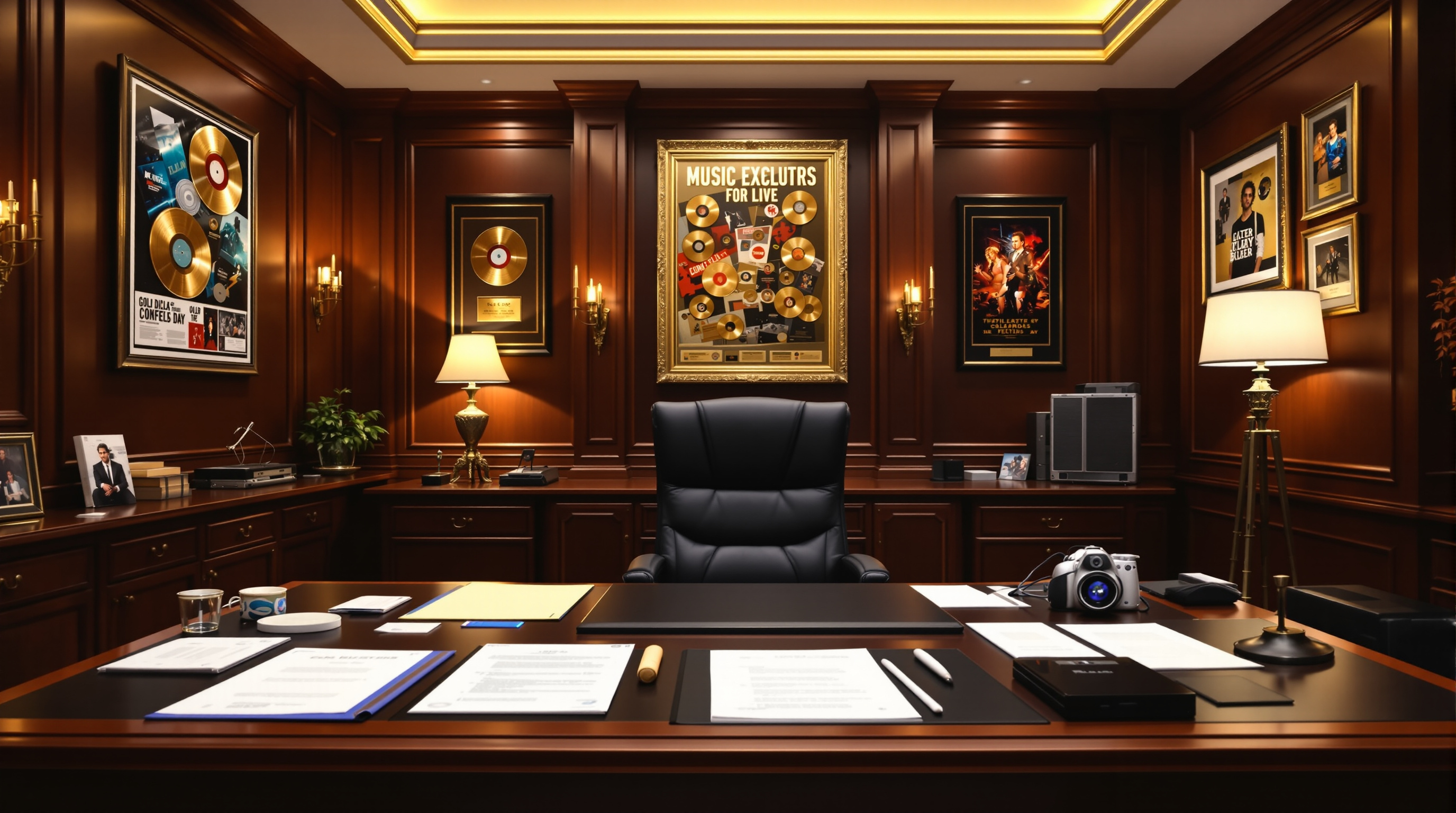
About MEGA — Marketing Entertainment Group of America
Some companies find their mission over time. MEGA was born with one. When the Marketing Entertainment Group of America was established in New York City in April 1984, the vision was already clear: build an authentic and credible bridge between brands and music artists, such that each would benefit from the collaboration.
At the time, it was a radical idea. The 1960s mentality of "selling out" to corporate America still cast a long shadow over the music community. Fans, artists, and brands each held conflicting views about what was smart, acceptable, and appropriate when it came to commercial partnerships with musicians. And in their own ways, all of them were right.
The Philosophy: Music Marketing as Matchmaking
Music marketing, in many respects, is like dating. If no thought or discretion goes into a match, it's likely to fail — and when music-brand pairings go wrong, they tend to go spectacularly wrong. The artist loses credibility. The brand looks opportunistic. The fan feels manipulated.
But when the match is right — when the music genuinely fits the brand's message, the artist genuinely connects with the target audience, and both parties approach the relationship with mutual respect — something magical happens. The commercial becomes a cultural moment. The song finds new listeners. The brand earns association with something emotionally resonant.
That philosophy became the North Star at MEGA for three decades. Every client engagement, every negotiation, every pitch to a label or publisher started from the same question: does this match make sense for everyone involved?
A Track Record Built on Landmark Deals
Over 30 years, MEGA was responsible for some of the most studied brand-music partnerships in advertising history:
- The first brand campaign ever to feature a Led Zeppelin recording — Cadillac's "Break Through" campaign (2002–2007)
- The first Guns N' Roses song licensed to a brand — Gatorade Fierce's Bryce Harper campaign (2014)
- Original music sourced from Wale for the Gatorade/NFL Films RGIII documentary "The Will To Win" (2013)
- The Pure Michigan tourism campaign, licensed and renewed multiple times, using Rachel Portman's score from "The Cider House Rules"
- Frank Sinatra's "My Way" for Gatorade's Derek Jeter tribute — Adweek's #1 advertising story of 2014
Client relationships spanned the full spectrum of American brand marketing: Pepsi, Budweiser, HP, Microsoft, Gatorade, Apple, Cadillac, and Starbucks. On the artist side, MEGA worked with everyone from Dylan, The Who, Jimi Hendrix, and Kanye West to emerging indie artists building their first commercial relationships.
The Business of Music Rights
Behind every successful brand-music partnership is a complex legal and commercial negotiation. MEGA's expertise was in navigating that complexity — understanding not just the legal structure of music rights, but the human dynamics of creative communities.
According to the Recording Industry Association of America (RIAA), the music licensing industry generates billions of dollars annually for rights holders — but only when those rights are properly identified, negotiated, and administered. The difference between a well-structured license and a poorly executed one can mean the difference between a campaign that works and a legal dispute that doesn't.
Who We Supported
MEGA's client base was deliberately diverse. Major global brands needed MEGA's expertise because even the largest companies can struggle with the complexities of music licensing — particularly when deals involve multiple rights holders, multi-territory clearances, or time-sensitive negotiations.
Emerging brands and agencies came to MEGA because the relationships and knowledge that took decades to build aren't available to newcomers. Knowing which publishers are open to creative structures, which labels value promotional upside, and which rights holders respond to particular approaches — that institutional knowledge accelerated deals that would otherwise stall.
Non-profits, game developers, film producers, app builders — MEGA supported them all, scaling expertise to fit the context.
The Music Industry Then and Now
The music industry that MEGA operated in changed dramatically over three decades. When the company was founded in 1984, the music business ran on physical media, live concerts, and broadcast television. By the time MEGA's final blog posts appeared in 2015, Spotify had changed how billions of people listened to music, YouTube had become the world's most important music discovery platform, and brands were licensing music for social media posts, mobile apps, and streaming platforms that didn't exist at the millennium.
Through all of it, the fundamentals stayed constant: music is emotionally powerful, the rights to use it are complex, and the companies that navigate both successfully create extraordinary outcomes.